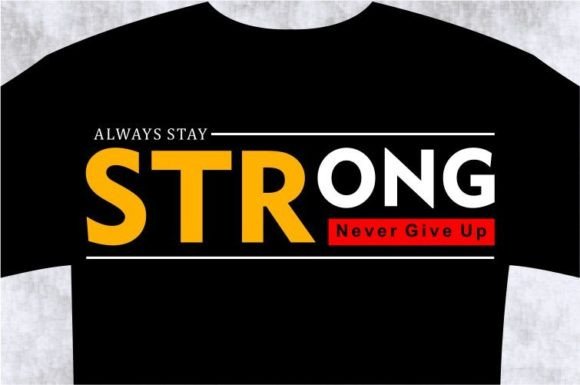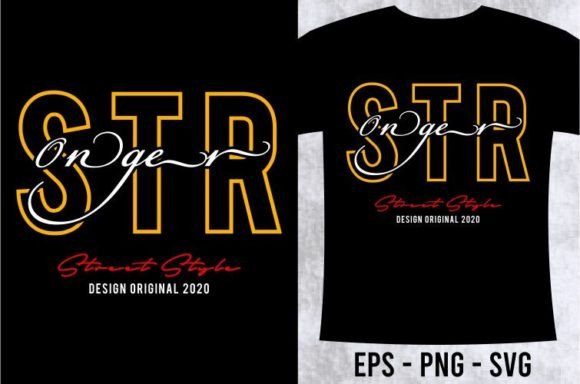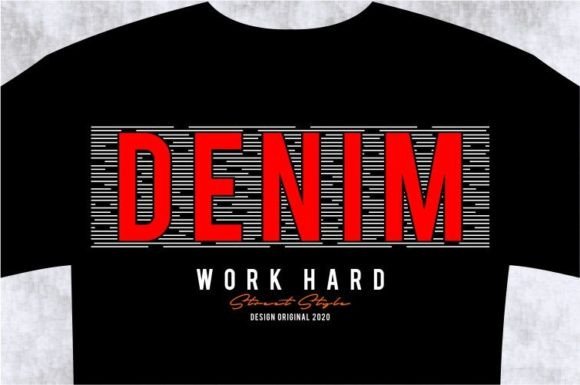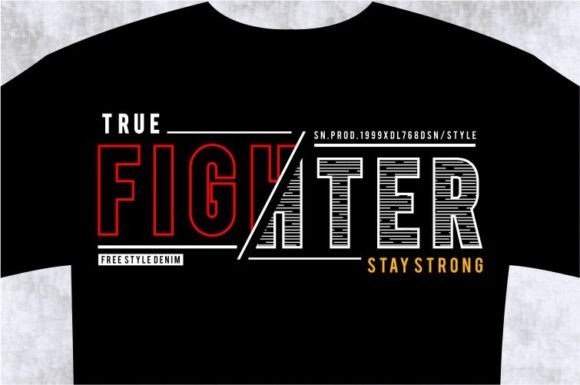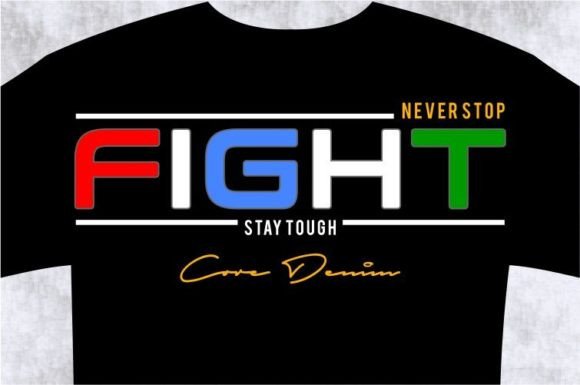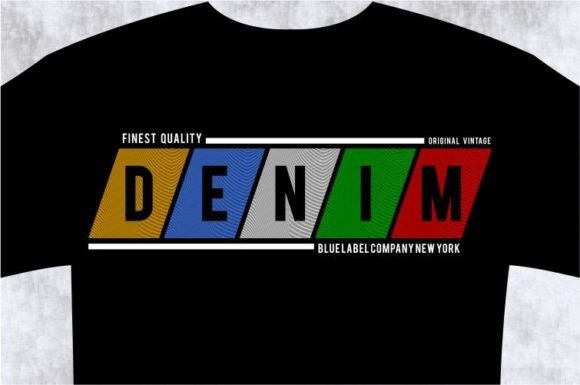
Urban Street T-shirt Design Graphic: Bold Typography for Modern Brands
The Raw Energy of Urban Typography
There's something unmistakable about type that pulls from street culture. It carries weight, attitude, and an immediacy that polished corporate fonts simply can't replicate. Urban Street, T-shirt Design Graphic captures this energy in a way that feels authentic rather than forced. The letterforms have that hand-crafted, slightly distressed quality you see on actual streetwear — not too clean, not too messy, just enough grit to make a statement.
What makes this particular display font stand out is how it balances rawness with readability. Some street-inspired typefaces sacrifice legibility for style, leaving designers frustrated when they try to use the work beyond a single headline. Urban Street avoids that trap. The characters maintain clear shapes even at smaller sizes, which opens up possibilities that purely decorative fonts can't offer.
The visual personality here leans bold and assertive without tipping into aggressive territory. Think of the typography you'd see on a well-curated streetwear brand's lookbook — confident, modern, and designed to stop someone mid-scroll or mid-browse. That's the space this typeface occupies comfortably.
Where This Design Asset Truly Shines
Let's talk practical applications, because that's where the real value lives. Urban Street, T-shirt Design Graphic works exceptionally well across a range of projects that designers, entrepreneurs, and content creators deal with regularly.
Apparel and Merchandise
The obvious starting point is t-shirt design, and for good reason. These graphics are built with apparel in mind. The vector shapes scale cleanly whether you're printing a chest-sized logo or a full-front graphic. The 100% color changeable feature means you can adapt the design for dark garments, light garments, or any color in between without wrestling with complex editing. If you've ever spent hours trying to recolor a raster-based design for different shirt blanks, you know how valuable that flexibility is.
Beyond t-shirts, consider hoodies, tote bags, caps, and other merchandise. The streetwear aesthetic translates naturally across these products, making it straightforward to build a cohesive collection without redesigning from scratch for each item.
Branding and Identity Work
For brand identity projects targeting younger demographics or lifestyle brands, this font brings instant personality. A skate shop, a coffee roaster with urban roots, an independent record label, a fitness brand that wants to feel raw rather than clinical — these are the kinds of clients where Urban Street fits naturally into the logo design conversation.
The key here is matching the font's energy to the brand's actual personality. A mismatch feels forced and customers sense it immediately. When the fit is right, though, this typeface does heavy lifting in establishing brand recognition and emotional connection.
Digital and Print Marketing
Social media graphics, blog headers, event flyers, banner ads — the list of marketing applications is long. The transparent PNG files make layering over photos and backgrounds painless, which is a practical concern that saves real time during production. For social media graphics specifically, the bold character of Urban Street helps posts stand out in crowded feeds where attention spans measure in fractions of seconds.
Print applications work just as well. The ready to print files and 100% vector construction mean you can send these directly to a printer without worrying about resolution issues or file format problems. Book covers, editorial layouts, poster designs, and packaging projects all benefit from that reliability.
Working With the Files: Practical Considerations
The included formats — SVG, EPS, and PNG with transparent backgrounds — cover the bases for most design workflows. EPS files remain the workhorse for professional print production. SVG plays nicely with web projects and modern design tools. Transparent PNGs are the universal fallback that work everywhere from Canva to Photoshop.
When evaluating whether Urban Street suits a specific project, I'd suggest starting with a quick mockup. Drop the type into your layout at the intended size and step back. Does it compete with other elements or complement them? Street-inspired typography has a strong voice, so it needs breathing room. Pairing it with a clean sans serif font for body text usually creates a comfortable contrast — the display font handles personality while the supporting typeface handles information.
One practical note on font pairing: avoid combining Urban Street with other expressive or script fonts. The result tends to feel cluttered and confused. Let the display type carry the visual weight and keep everything else relatively quiet. A simple geometric sans serif or even a neutral serif font for longer passages creates the kind of hierarchy that guides the eye naturally.
Making It Work for Your Audience
Understanding who sees your designs matters as much as the designs themselves. Urban Street speaks a visual language that resonates with audiences in the 18-to-40 range who connect with streetwear, urban culture, music, action sports, and contemporary lifestyle brands. For that demographic, this typography feels familiar and trustworthy — it signals that a brand understands their world.
For audiences outside that sweet spot, context matters more. A financial services firm probably shouldn't use this font for their annual report. But a craft brewery, a tattoo studio, a street food vendor, or an independent bookstore? Those brands can use Urban Street to build brand identity that feels genuine rather than borrowed.
The commercial font licensing makes it viable for client work, merchandise, and products you intend to sell. Always verify the specific license terms for your use case, but the availability of these files in professional formats suggests they're designed with commercial applications in mind.
Ultimately, good modern typography choices come down to fit. Urban Street, T-shirt Design Graphic earns its place in a designer's toolkit when the project calls for boldness, urban energy, and that unmistakable street-level authenticity. Test it, pair it thoughtfully, and let it do what it does best — command attention without asking permission.